
Natural Support for Hearing Health: Common Causes, Practical Tips, and Quietum Plus
Hearing plays a major role in everyday life. It helps us communicate, enjoy music, follow conversations, stay aware of our surroundings, and remain connected with other people.
Yet hearing concerns can develop gradually. Some people first notice that conversations are harder to follow in noisy places. Others notice ringing, buzzing, humming, or a feeling that sounds are not as clear as they used to be.
The good news is that there are practical steps you can take to support long-term hearing health. It is also important to understand when a hearing concern deserves professional evaluation rather than relying only on an over-the-counter product.
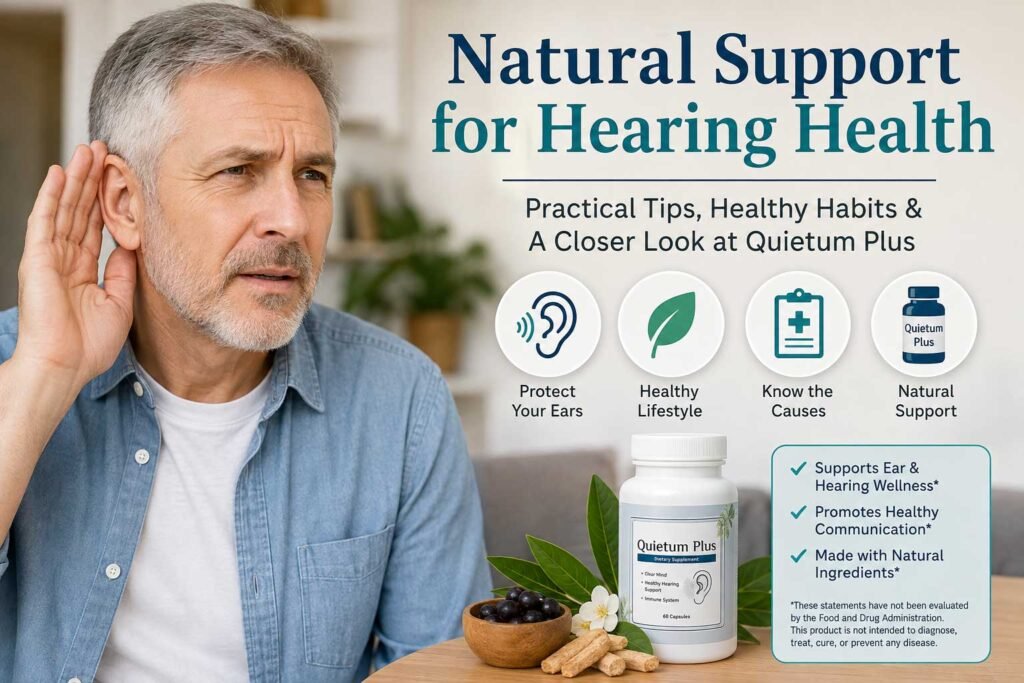
This guide explains common causes of hearing problems, everyday hearing-protection habits, what tinnitus is, and where a dietary supplement such as Quietum Plus may fit into a broader wellness routine.
Why Hearing Health Deserves Attention
Hearing is more complicated than simply having healthy ears. Sound travels through the outer and middle ear before reaching the cochlea in the inner ear, where vibrations are converted into electrical signals. The auditory nerve then carries those signals toward the brain for processing.
Because the hearing system involves several structures, different problems can produce similar symptoms.
For example, someone may notice muffled sounds because of temporary ear blockage, while another person may have hearing changes associated with long-term noise exposure. Tinnitus can also occur alongside hearing loss, although not everyone with hearing loss develops tinnitus.
That is why persistent or changing hearing symptoms should not automatically be attributed to aging or a lack of vitamins.
Common Causes of Hearing Concerns
There are many possible reasons someone may experience hearing changes.
Long-Term Noise Exposure
One of the most important preventable causes of hearing damage is excessive noise. Loud environments can affect the delicate structures of the inner ear, and repeated exposure can cause lasting damage.
According to the National Institute on Deafness and Other Communication Disorders (NIDCD), prolonged or repeated exposure to sounds at or above about 85 dBA can contribute to noise-induced hearing loss. The risk also depends on how loud the sound is, how close you are to it, and how long you are exposed.
Common examples include loud concerts, power tools, sporting events, fireworks, motorcycles, and high-volume headphones.
Age-Related Changes
Hearing can also change as people get older. Some adults gradually notice difficulty understanding speech, especially when background noise is present.
These changes can happen slowly, which means it is easy to overlook them at first. A hearing evaluation can help determine whether there is an actual hearing loss and what type of support may be appropriate. NIDCD notes that hearing aids and other assistive technologies can significantly help people who could benefit from them.
Earwax, Infections, and Other Conditions
Hearing changes are not always caused by permanent damage. Earwax buildup, ear infections, certain medications, head or neck injuries, and other medical conditions can contribute to tinnitus or hearing difficulties.
That is another reason to avoid assuming that every hearing problem can be solved with a supplement.
What Is Tinnitus?
Tinnitus is the perception of sound when there is no corresponding external sound source. People commonly describe it as ringing, but it can also sound like buzzing, roaring, whistling, humming, clicking, or hissing.
Tinnitus may occur in one ear, both ears, or seem to come from inside the head. For some people it is occasional. For others it can become persistent and interfere with sleep, concentration, or mood.
NIDCD explains that tinnitus is strongly associated with hearing loss, but there can be many possible causes, including loud-noise exposure, earwax, infections, medications, injuries, and several underlying medical conditions.
There is currently no universal cure for tinnitus. Depending on the cause and the individual, approaches such as sound therapy, hearing aids, and behavioral therapies may help reduce its impact.
Practical Ways to Protect Your Hearing
Supporting hearing health does not have to start with a supplement. Everyday habits matter.
Lower the Volume
Keep headphones and earbuds at a reasonable volume. Loud music can expose the inner ear to damaging sound levels, particularly when listening for long periods.
Create Distance From Loud Sounds
Moving farther away from speakers, machinery, fireworks, or other loud sources can reduce the amount of sound reaching your ears.
Wear Hearing Protection
Earplugs or earmuffs can be useful when working with loud equipment or attending very noisy events. NIDCD specifically recommends hearing protection and moving away from hazardous noise when it cannot be reduced.
Give Your Ears a Break
If you have been around loud sound for an extended period, spending time in a quieter environment can reduce continued exposure.
Pay Attention to Changes
If you notice that people seem to mumble, you frequently ask others to repeat themselves, you turn up the television more than before, or you notice persistent ringing, consider getting your hearing evaluated.

Can Diet and Supplements Support Hearing Wellness?
Nutrition is an important part of general health, but the role of dietary supplements in hearing problems is more complicated.
A supplement may be marketed to support ear health, auditory wellness, nerve health, circulation, or general nutritional needs. However, a supplement should not automatically be treated as a replacement for hearing testing, professional diagnosis, hearing aids, or medical treatment.
The FDA explains that dietary supplements are regulated differently from prescription drugs. The FDA does not approve dietary supplements for safety and effectiveness before they are marketed in the same way it approves drugs. Companies are responsible for making sure their products are safe and that their labeling claims are truthful and substantiated.
That distinction is important when evaluating hearing supplements online.
What Is Quietum Plus?
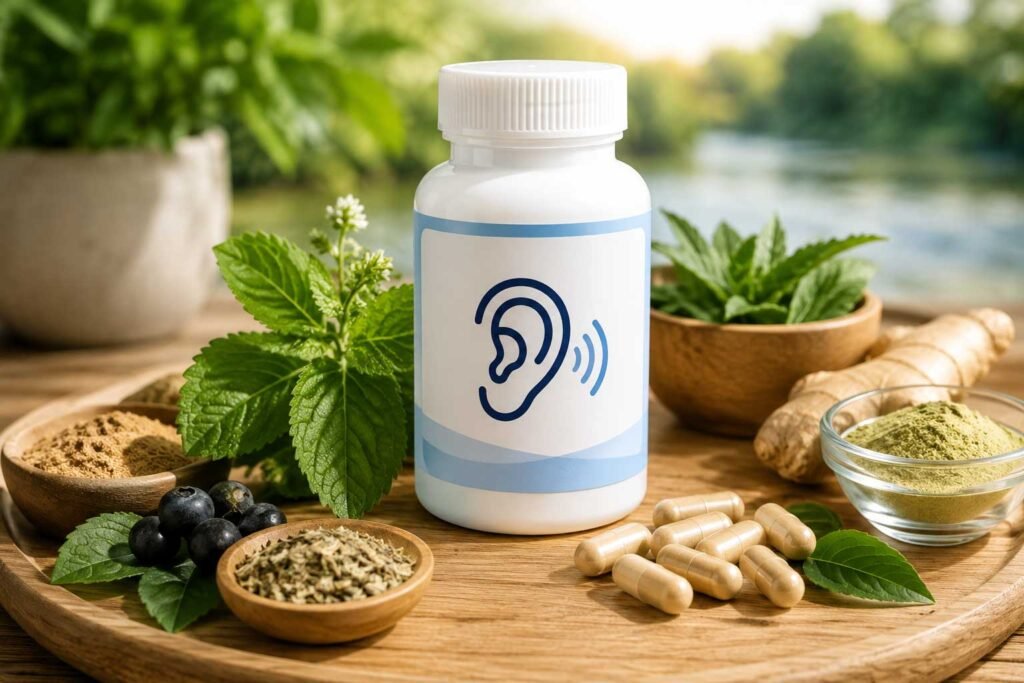
Quietum Plus is marketed as a dietary supplement intended to support hearing and ear wellness. Product websites describe it as a natural formula containing a blend of botanical ingredients, vitamins, and minerals.
Some Quietum Plus websites also describe the product in connection with tinnitus, inner-ear support, auditory nerves, and circulation. These are marketing claims from product sources, not proof that the supplement can diagnose, treat, cure, or prevent a medical condition.
Because formulations and product pages can vary, readers should review the current ingredient label and usage directions on the purchasing page before ordering.
How Should You Think About Quietum Plus?
A reasonable way to look at Quietum Plus is as one possible supplement option for someone interested in general ear and hearing wellness.
It should not be viewed as a substitute for finding the cause of a hearing problem.
For example, if tinnitus is related to earwax, an infection, medication, injury, or another underlying condition, simply taking a supplement may not address the actual cause. NIDCD recommends medical evaluation to help identify possible causes and determine appropriate treatment.
Likewise, hearing loss caused by damaging noise exposure may require professional assessment and, depending on severity, technologies such as hearing aids or other assistive devices.
What to Check Before Buying a Hearing Supplement
Before purchasing Quietum Plus or any other hearing-related supplement, consider these questions:
Is the product clearly labeled?
Look for a complete ingredient list, suggested serving information, manufacturer or seller information, and appropriate warnings.
Are the claims reasonable?
Be cautious about language promising instant hearing restoration, guaranteed tinnitus relief, or a cure for a medical condition.
Do you understand what a supplement can and cannot do?
A dietary supplement is not equivalent to a hearing test, medical diagnosis, or prescription treatment.
Are you taking medications or managing a health condition?
It is sensible to discuss supplements with a qualified healthcare professional when medications, pregnancy, nursing, or an existing medical condition are involved.
Are you buying from an appropriate source?
Use the official purchasing channel and review the current terms, ingredients, pricing, and return policy before placing an order.
When Should You See a Doctor?
Some hearing symptoms should not be managed solely through lifestyle changes or supplements.
A professional evaluation can be especially important when hearing changes are persistent, worsening, or interfering with everyday communication.
Tinnitus accompanied by other symptoms may also require evaluation. NIDCD notes that pulsatile tinnitus, for example, can sometimes have an identifiable underlying cause and may require additional investigation.
Most importantly, sudden hearing loss should be treated as a medical emergency. NIDCD advises seeking medical attention immediately because delaying evaluation and treatment can reduce the effectiveness of appropriate treatment.
Simple Hearing-Health Routine for Everyday Life
A practical routine can be easier to maintain than trying to make many changes at once.
Start by keeping personal audio at a safer volume. Protect your ears around loud machinery and noisy events. Take breaks from prolonged headphone use. Pay attention to changes in your hearing or persistent tinnitus.
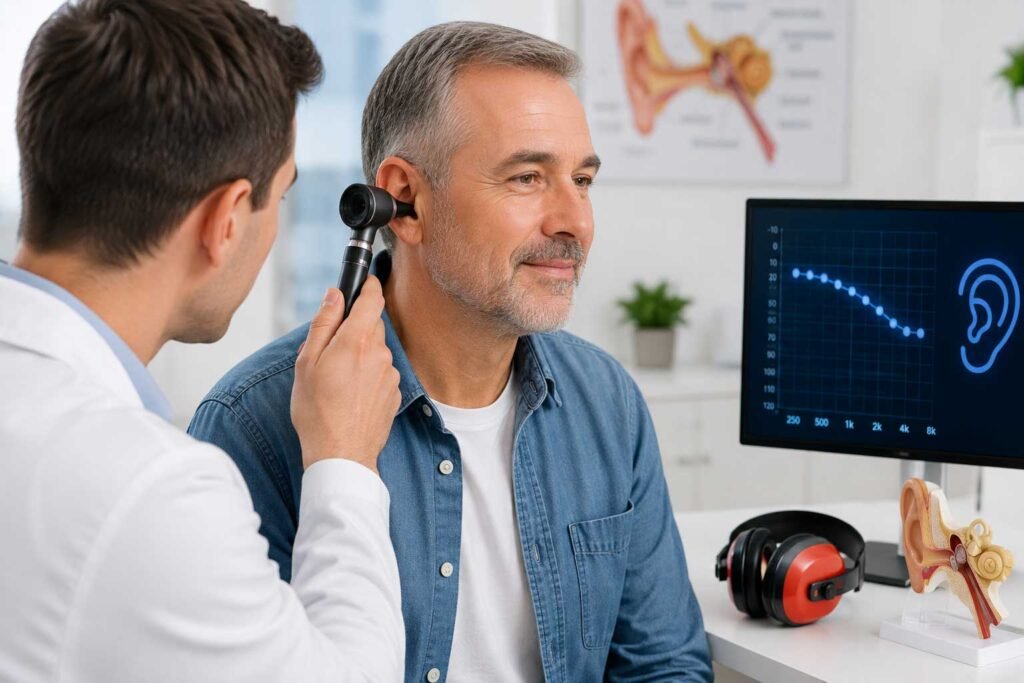
You can also make regular hearing checkups part of your overall health routine, particularly when you notice changes.
These habits focus on prevention and awareness. They do not guarantee that hearing problems will never occur, but they can help reduce avoidable exposure to excessive noise.
Quietum Plus: Who Might Be Interested?
Someone researching Quietum Plus may be interested in the product because they want a convenient daily supplement focused on hearing and ear wellness.
However, the right choice depends on the individual.
People with unexplained hearing loss, sudden hearing changes, significant tinnitus, dizziness, ear pain, discharge, or other concerning symptoms should prioritize appropriate medical evaluation rather than relying on an online supplement.
For someone simply exploring nutritional approaches to general wellness, reviewing the product label, ingredients, directions, and current purchase terms may help determine whether Quietum Plus fits their personal preferences.
View the Quietum Plus offer and product information
Frequently Asked Questions
Is Quietum Plus a medication?
No. Quietum Plus is marketed as a dietary supplement. Dietary supplements are regulated differently from drugs and are not FDA-approved for safety and effectiveness before marketing in the same way as prescription medications.
Can Quietum Plus cure tinnitus?
It would be inappropriate to describe Quietum Plus as a proven cure for tinnitus. Product websites make claims about supporting hearing and reducing tinnitus symptoms, but those marketing claims should not be confused with established clinical evidence.
What causes ringing in the ears?
Tinnitus can have many possible causes. NIDCD lists hearing loss, loud-noise exposure, earwax, infections, certain medications, head or neck injuries, and several other conditions among possible causes.
Can loud headphones damage hearing?
Yes. Repeated or prolonged exposure to loud sounds can contribute to noise-induced hearing loss. Risk depends on sound level, distance, and exposure time.
Is sudden hearing loss serious?
Yes. Sudden hearing loss should be treated as a medical emergency and evaluated promptly.
Final Thoughts
Good hearing health starts with understanding the possible causes of hearing changes and protecting your ears from preventable noise exposure.
For people experiencing tinnitus or hearing difficulties, the most important first step is identifying what may be causing the problem. Professional hearing evaluation can help determine whether the issue is related to hearing loss, earwax, infection, medication, noise exposure, or another condition.
Quietum Plus is marketed as a dietary supplement for hearing and ear wellness. It may be worth researching for consumers interested in nutritional supplementation, but it should be viewed realistically and not as a replacement for professional hearing care.
Check the current Quietum Plus product information here
This article contains affiliate links. If you purchase a product through one of our affiliate links, we may earn a commission at no additional cost to you.
Health Disclaimer: This article is for general informational purposes only and is not medical advice. Quietum Plus is a dietary supplement, and individual results may vary. Statements about dietary supplements have not been evaluated by the U.S. Food and Drug Administration unless specifically stated otherwise. Do not use this information to diagnose or treat a medical condition. Consult a qualified healthcare professional about persistent hearing problems, tinnitus, sudden hearing loss, medications, pregnancy, nursing, or other health concerns.