
Introduction
Artificial intelligence is everywhere today. However, not all AI announces itself loudly. In fact, a growing part of modern technology works quietly in the background. This is where Stealth AI comes in.

Stealth AI refers to artificial intelligence systems that operate behind the scenes. Instead of flashy dashboards or obvious chatbots, these tools blend seamlessly into software, workflows, and daily operations. As a result, users benefit from AI without actively noticing it.
For businesses in the United States, this shift is important. Companies want smarter systems, yet they also want simplicity. Therefore, Stealth AI has become a powerful solution. It improves efficiency, reduces errors, and supports decision-making—without disrupting user experience.
In this guide, you will learn what Stealth AI is, how it works, where it is used, and why it matters. Moreover, we will explore benefits, limitations, ethical concerns, and future trends. By the end, you will clearly understand why invisible AI is shaping the next phase of digital transformation.
What Is Stealth AI?
Stealth AI is artificial intelligence that operates quietly within existing systems. Instead of interacting directly with users, it works in the background to optimize processes, analyze data, and automate decisions.
Unlike traditional AI tools, Stealth AI does not require constant user input. Instead, it integrates deeply into software platforms. As a result, users may not even realize AI is involved.
For example, when an email system filters spam accurately, AI is working silently. Similarly, when a banking app flags unusual activity instantly, Stealth AI plays a role.
In short, Stealth AI focuses on function, not visibility.
How Stealth AI Works Behind the Scenes

Stealth AI relies on advanced technologies that run continuously in the background. However, the user interface stays clean and simple.
Data Collection and Analysis
First, Stealth AI collects data from normal user interactions. This includes clicks, transactions, patterns, and behavior. Importantly, this happens automatically.
Next, machine learning models analyze this data. Over time, the system learns patterns and improves accuracy.
Automation and Optimization
Once patterns are identified, Stealth AI takes action. For example, it may adjust pricing, reroute workflows, or recommend actions internally. As a result, processes become faster and smarter.
Continuous Learning
Unlike static software, Stealth AI keeps learning. Therefore, it adapts as conditions change. This makes it especially valuable in dynamic industries like finance, healthcare, and e-commerce.
Stealth AI vs Traditional AI
Although both rely on machine learning, Stealth AI differs significantly from traditional AI.
Visibility
Traditional AI is user-facing. Chatbots, voice assistants, and recommendation panels are obvious. In contrast, Stealth AI stays hidden.
User Interaction
With traditional AI, users must interact directly. However, Stealth AI requires little to no interaction. It simply works.
Adoption Speed
Because Stealth AI does not disrupt workflows, adoption is faster. Employees do not need extensive training. Therefore, businesses can scale quickly.
Why Stealth AI Is Gaining Popularity in the USA

In the U.S. market, businesses value efficiency and scalability. Stealth AI delivers both.
First, companies want AI benefits without complexity. Stealth AI fits naturally into existing systems. Therefore, it reduces resistance from employees.
Second, regulatory and compliance concerns matter. Since Stealth AI often focuses on optimization rather than decision explanation, it can be easier to manage internally.
Finally, competition drives adoption. Businesses using Stealth AI can move faster and operate leaner. As a result, others must follow.
Key Benefits of Stealth AI
Improved Efficiency
Stealth AI automates repetitive tasks silently. As a result, employees focus on higher-value work.
Better User Experience
Because AI stays hidden, interfaces remain simple. Therefore, customers enjoy smoother experiences.
Lower Operational Costs
Automation reduces manual errors and labor costs. Moreover, systems run more efficiently.
Faster Decision-Making
Stealth AI analyzes data in real time. Consequently, businesses can respond instantly.
Scalability
As data grows, Stealth AI scales naturally. Therefore, companies avoid frequent system overhauls.
Common Use Cases of Stealth AI
Stealth AI is already embedded across many industries. Let’s explore some real-world examples.
Stealth AI in Business Operations
Many enterprise tools use Stealth AI to optimize workflows. For example, project management software predicts delays and reallocates resources automatically.
Stealth AI in Finance
Banks use Stealth AI for fraud detection, credit scoring, and risk assessment. Importantly, customers see only smooth transactions.
Stealth AI in Healthcare
Healthcare systems use Stealth AI to analyze patient data, optimize scheduling, and detect anomalies. As a result, care improves without adding complexity.
Stealth AI in E-Commerce
Online stores rely on Stealth AI for pricing optimization, inventory forecasting, and personalized recommendations that feel natural.
Stealth AI in Cybersecurity
Security platforms use Stealth AI to detect threats silently. Therefore, systems stay protected without constant alerts.
Stealth AI in Enterprise Software
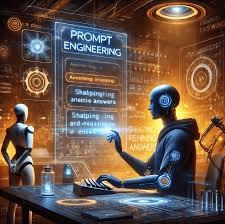
Enterprise software is one of the biggest adopters of Stealth AI. This is because large organizations need intelligence without disruption.
For example, CRM platforms use Stealth AI to score leads automatically. Similarly, HR systems screen resumes quietly in the background.
As a result, managers receive better insights without extra steps.
How Stealth AI Improves Productivity
Productivity improves when friction is removed. Stealth AI does exactly that.
First, it eliminates unnecessary decisions. Systems adjust automatically.
Second, it reduces cognitive load. Employees do not need to think about every detail.
Finally, it prevents errors before they occur. Therefore, rework decreases.
Challenges and Limitations of Stealth AI
Despite its advantages, Stealth AI is not perfect.
Lack of Transparency
Because AI operates invisibly, users may not understand decisions. This can raise trust concerns.
Bias Risks
If training data is biased, Stealth AI can reinforce issues quietly. Therefore, oversight is essential.
Integration Complexity
Although user-facing disruption is low, backend integration can be complex.
Dependency on Data Quality
Stealth AI is only as good as its data. Poor data leads to poor outcomes.
Ethical Considerations of Stealth AI
Ethics matter, especially when AI is invisible.
User Awareness
Should users know when AI is influencing outcomes? This question remains debated.
Data Privacy
Stealth AI often processes sensitive data. Therefore, compliance with U.S. privacy laws is critical.
Accountability
When AI makes decisions quietly, accountability must still exist. Businesses must define responsibility clearly.
Stealth AI and Data Privacy in the USA
In the United States, data privacy laws vary by state. For example, California’s regulations set strict standards.
Therefore, companies using Stealth AI must implement strong data governance. Encryption, access controls, and audits are essential.
Stealth AI in Small vs Large Businesses
Large Enterprises
Large companies benefit from scale. Stealth AI integrates across departments and systems easily.
Small Businesses
Smaller businesses use Stealth AI through SaaS tools. As a result, they gain advanced capabilities without building AI themselves.
How to Identify Stealth AI in Software
Sometimes, you may wonder whether AI is involved. Signs include:
- Automatic recommendations that improve over time
- Smart defaults that adapt to behavior
- Predictive alerts that feel intuitive
In most cases, if software feels “smart” without being complex, Stealth AI is likely present.
Future Trends of Stealth AI
Stealth AI is still evolving. However, several trends are clear.
Deeper Integration
AI will become even more embedded. Eventually, most software will include Stealth AI by default.
More Regulation
As invisible AI spreads, regulations will increase. Transparency requirements may grow.
Smarter Automation
Stealth AI will handle more complex tasks. Therefore, human oversight will shift to strategy.
Wider Adoption
Industries like education, logistics, and government will adopt Stealth AI rapidly.
Is Stealth AI the Future of Artificial Intelligence?
Many experts believe so. While visible AI attracts attention, Stealth AI delivers consistent value.
Moreover, businesses care more about outcomes than features. Since Stealth AI improves results quietly, it aligns perfectly with modern needs.
How Businesses Can Adopt Stealth AI Safely
To adopt Stealth AI responsibly, companies should:
- Choose trusted software providers
- Audit AI decisions regularly
- Ensure data quality
- Train teams on AI awareness
- Follow U.S. compliance standards
By doing this, risks remain controlled.
Final Thoughts on Stealth AI
Stealth AI represents a powerful shift in how artificial intelligence is used. Instead of demanding attention, it works silently to improve systems, decisions, and experiences.
For U.S. businesses, this approach offers efficiency, scalability, and competitive advantage. However, transparency and ethics must remain priorities.
Ultimately, Stealth AI proves that the most impactful technology does not always need to be seen.
Affiliate Disclaimer
This article may contain affiliate links. This means we may earn a small commission if you choose to purchase through these links, at no extra cost to you. However, we only recommend tools and services that we believe provide real value. All opinions shared here are honest and unbiased.