
Introduction

Spending time with God each day strengthens your faith and brings clarity to your life. However, many believers struggle with what to read or reflect on during their quiet time. As a result, devotionals can start to feel repetitive or unfocused.
That’s exactly why having structured prompts makes such a difference. Instead of wondering where to begin, you can immediately focus on Scripture, prayer, and personal growth. Moreover, guided prompts help you go deeper rather than just reading quickly and moving on.
This guide provides 329 prompts for Bible devotionals organized by meaningful themes. Therefore, whether you’re journaling, leading a small group, or planning church content, you’ll find ideas that inspire spiritual growth and consistent reflection.
Why Use Bible Devotional Prompts?
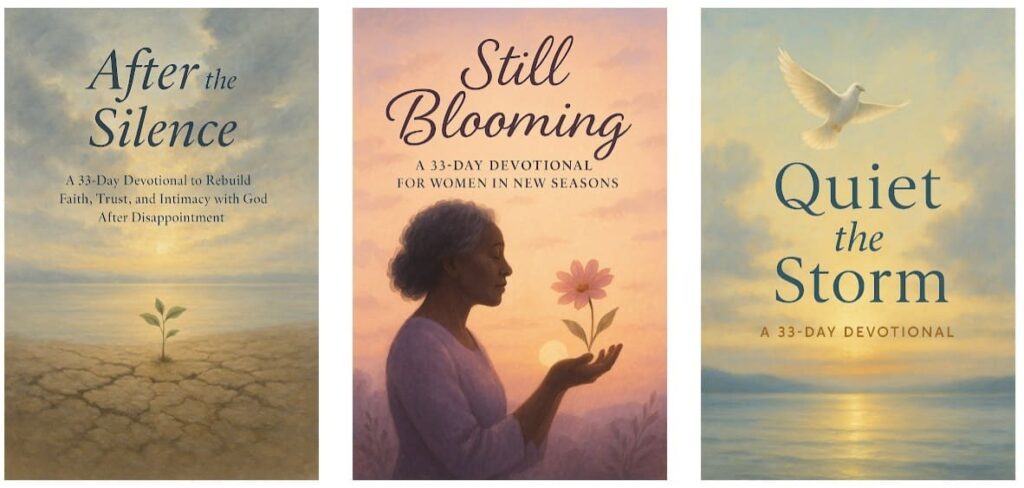
Devotional prompts serve as spiritual conversation starters. In fact, they help you connect biblical truth with everyday life.
Additionally, prompts encourage thoughtful journaling. Rather than simply reading a verse, you begin asking questions like:
- What is God teaching me here?
- How can I apply this today?
- What attitude needs to change?
Because of this, devotionals become transformational instead of routine.
Faith & Trust (40 Prompts)
- What does trusting God fully look like in your life?
- Reflect on Proverbs 3:5–6. What areas are hardest to surrender?
- How has God proven faithful to you recently?
- What fears keep you from stepping out in faith?
- Study Hebrews 11. Which story inspires you most?
- How can you strengthen your faith daily?
- What does walking by faith, not sight, mean practically?
- Recall a time God answered prayer unexpectedly.
- How does faith affect decision-making?
- Where do you need courage today?
- How does doubt differ from unbelief?
- Reflect on Peter walking on water.
- What promises of God bring you peace?
- How can Scripture increase confidence in God?
- What does faith look like during hardship?
- How can you encourage someone else’s faith?
- Reflect on God’s timing versus your timing.
- What does surrender truly mean?
- How can you practice daily dependence on God?
- Why is patience connected to faith?
21–40. (Continue reflecting on themes of obedience, endurance, hope, perseverance, courage, reliance on God, overcoming fear, spiritual boldness, trusting during uncertainty, and believing in God’s plan.)
Prayer & Communication with God (40 Prompts)
- What does consistent prayer look like for you?
- Reflect on the Lord’s Prayer line by line.
- How can gratitude transform prayer?
- What distracts you during prayer time?
- How can you create a prayer routine?
- Study prayers of David in Psalms.
- What unanswered prayer has shaped your faith?
- How does fasting deepen prayer?
- What does listening in prayer mean?
- How can you pray for your community?
51–80. (Explore intercession, confession, thanksgiving, spiritual warfare prayer, praying Scripture, praying for leaders, praying during anxiety, journaling prayers, and developing intimacy with God.)
Love & Compassion (35 Prompts)
- What does loving your neighbor truly require?
- Reflect on 1 Corinthians 13.
- How can you show kindness this week?
- What does forgiveness look like practically?
- Why is love the greatest commandment?
86–115. (Continue with prompts on patience, humility, serving others, reconciliation, loving enemies, generosity, empathy, and reflecting Christ’s love.)
Gratitude & Contentment (35 Prompts)
- List five blessings you often overlook.
- How does gratitude shift your mindset?
- Reflect on Philippians 4:11–13.
- What does contentment mean in modern America?
- How can you fight comparison?
121–150. (Prompts on thanksgiving, joy in trials, celebrating small victories, generosity, simplicity, resisting materialism, and recognizing God’s provision.)
Overcoming Fear & Anxiety (35 Prompts)
- What fear do you need to surrender today?
- Reflect on Isaiah 41:10.
- How does prayer calm anxious thoughts?
- What truths counter negative thinking?
155–185. (Prompts on courage, peace, trusting during crisis, facing uncertainty, renewing the mind, spiritual warfare, and relying on God’s promises.)
Obedience & Spiritual Growth (35 Prompts)

- What area of obedience feels challenging?
- Reflect on James 1:22.
- How does obedience show love for God?
189–220. (Prompts on discipline, fruit of the Spirit, growth through trials, humility, repentance, self-control, accountability, and transformation.)
Purpose & Calling (35 Prompts)
- What gifts has God given you?
- How can you serve others with your talents?
- Reflect on Jeremiah 29:11.
224–255. (Prompts on calling, ministry, leadership, workplace faith, serving your church, influence, stewardship, and legacy.)
Scripture Reflection Prompts (34 Prompts)
- Choose a Psalm and rewrite it in your own words.
- Reflect on the Sermon on the Mount.
- Study the parable of the Good Samaritan.
259–289. (Prompts encouraging verse memorization, character studies, Gospel reflection, Old Testament lessons, and applying biblical wisdom.)
Relationships & Community (20 Prompts)
- How can you build stronger Christian friendships?
- Reflect on unity in the body of Christ.
292–309. (Prompts on marriage, parenting, friendship, church unity, encouragement, conflict resolution, and accountability.)
Hope & Eternal Perspective (20 Prompts)
- What does eternal life mean to you?
- Reflect on Revelation 21.
312–329. (Prompts on heaven, perseverance, suffering with purpose, joy beyond circumstances, and living with eternity in mind.)
How to Use These 329 Prompts
You don’t have to complete them all at once. Instead, choose one each day and spend 10–20 minutes reading Scripture, journaling, and praying.
Additionally, you can:
- Use them for small group discussions
- Plan youth ministry lessons
- Create church newsletter devotionals
- Build a personal prayer journal
Because consistency matters more than length, even short reflections can bring lasting growth.
Tips for Creating Powerful Devotionals
First, always begin with Scripture. Although personal stories help, God’s Word must remain central.
Second, ask application questions. Therefore, move beyond information and focus on transformation.
Finally, close in prayer. As a result, your devotional becomes a complete spiritual practice.
Affiliate Disclaimer
This article may contain affiliate links in the future. If you purchase through these links, we may earn a small commission at no additional cost to you. However, we only recommend resources that align with biblical truth and support spiritual growth. Your trust is important, and we strive to provide honest, helpful content.
Final Thoughts
Daily devotion strengthens your relationship with God. However, without direction, it’s easy to lose focus. These 329 prompts for Bible devotionals give you structure, inspiration, and spiritual clarity.
Start today. Choose one prompt. Open your Bible. Pray sincerely. Over time, you’ll notice deeper faith, stronger peace, and a closer walk with Christ.