
Introduction
Fact books are powerful tools for learning, curiosity, and entertainment. In fact, they help readers explore the world through clear, engaging, and reliable information. Whether you are a writer, educator, publisher, or content creator, having the right prompts can make the writing process easier and more creative.
Therefore, this guide shares 327 prompts for fascinating fact books that are designed to spark ideas and support high-quality nonfiction writing. Moreover, these prompts work well for American readers of all ages. They are simple, practical, and easy to expand into full chapters or complete books.
As a result, you can use these prompts to build educational content that is informative, AdSense-safe, and enjoyable to read.
Why Fact Book Prompts Matter
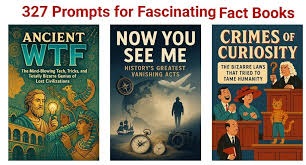
Fact book prompts provide structure and direction. Without them, writing nonfiction can feel overwhelming. However, prompts break big topics into manageable ideas.
Additionally, prompts help writers avoid vague content. Instead, they focus attention on specific facts, examples, and explanations. Therefore, the final result feels clear and trustworthy.
Most importantly, prompts encourage curiosity. When readers feel curious, they keep reading. As a result, fact books become more engaging and memorable.
How to Use These Prompts Effectively
Before jumping into the list, it helps to understand how to use these prompts wisely. First, choose prompts that match your audience’s age and interest. For example, younger readers enjoy simple explanations, while adults prefer deeper context.
Next, research each prompt carefully. Although prompts guide ideas, accuracy always comes first. Moreover, using reliable sources builds trust with readers.
Finally, expand each prompt into short sections or chapters. In this way, one prompt can become several pages of valuable content.
History and Civilization Prompts
- How ancient civilizations tracked time
- Why pyramids were built across cultures
- Daily life in early American colonies
- How writing systems first developed
- The role of trade routes in shaping history
- Famous inventions that changed society
- How wars influenced technological growth
- The history of money and banking
- How maps evolved over centuries
- Important but lesser-known historical leaders
- How cities were planned in ancient times
- The rise and fall of empires
- How education looked 500 years ago
- The history of public libraries
- How laws developed in early societies
- Ancient transportation methods
- How calendars were created
- The story behind national monuments
- How communication changed before electricity
- Everyday tools used in the past
Science and Technology Prompts

- How the human brain processes information
- Why electricity behaves the way it does
- The science behind everyday weather
- How vaccines work in simple terms
- The evolution of computers
- How space telescopes see distant galaxies
- Why metals conduct electricity
- How renewable energy systems operate
- The basics of genetic inheritance
- How artificial intelligence learns patterns
- Why some materials are magnetic
- How airplanes stay in the air
- The science of sound and hearing
- How smartphones connect to networks
- The chemistry of clean water
- How robots are used in medicine
- Why light travels so fast
- The science behind batteries
- How satellites orbit Earth
- The future of green technology
Nature and Earth Prompts
- How mountains are formed
- Why oceans have different depths
- The role of forests in climate balance
- How volcanoes affect ecosystems
- Why deserts can be both hot and cold
- How rivers shape landscapes
- The science of earthquakes
- Why soil quality matters
- How glaciers move over time
- The water cycle explained simply
- Why Earth has seasons
- How coral reefs support marine life
- The importance of wetlands
- How wind shapes landforms
- Why some plants survive extreme climates
- How caves are created
- The role of insects in ecosystems
- How tides work
- Why Earth’s core is so hot
- Natural resources and their uses
Human Body and Health Prompts
- How the heart pumps blood
- Why sleep is essential for health
- How muscles grow and repair
- The role of vitamins in the body
- How the immune system defends us
- Why hydration matters
- How bones stay strong
- The science of digestion
- How senses send signals to the brain
- Why exercise boosts mood
- How hormones affect behavior
- The basics of mental health
- How lungs exchange oxygen
- Why posture matters
- How the body heals wounds
- The importance of balanced nutrition
- How aging affects the body
- Why stress impacts health
- How reflexes work
- The science behind pain
Space and Astronomy Prompts
- How stars are born
- Why planets orbit stars
- The difference between asteroids and comets
- How astronauts live in space
- Why the Moon affects tides
- The life cycle of stars
- How black holes form
- Why Mars interests scientists
- How telescopes work
- The scale of the universe
- Why space is silent
- How gravity shapes galaxies
- The history of space exploration
- How satellites help daily life
- Why Pluto was reclassified
- The science of eclipses
- How space weather affects Earth
- The search for exoplanets
- Why time changes in space
- Future space missions
Animals and Wildlife Prompts
- How animals communicate
- Why some species migrate
- The role of predators in nature
- How animals adapt to environments
- Why biodiversity matters
- The intelligence of marine animals
- How birds navigate long distances
- Why animals hibernate
- The science of camouflage
- How domestication changed animals
- Endangered species and protection
- How animal senses differ from humans
- The structure of food chains
- Why some animals live longer
- The impact of habitat loss
- How insects benefit ecosystems
- Animal parenting strategies
- Why animals form groups
- How climate change affects wildlife
- Rare animals of North America
Culture and Society Prompts
- How traditions form
- Why languages change
- The history of holidays
- How food reflects culture
- The role of art in society
- How fashion trends begin
- The evolution of music styles
- Why sports unite communities
- How media shapes opinions
- The impact of technology on culture
- How cities influence lifestyles
- The history of storytelling
- Why customs differ worldwide
- How education systems evolved
- The influence of pop culture
- How social norms develop
- The role of symbols and flags
- How cultural exchange happens
- Why museums matter
- The future of global culture
Everyday Life and Curiosity Prompts
- How household appliances work
- Why time feels faster as we age
- The science of cooking
- How traffic systems are designed
- Why colors affect mood
- How money circulates in an economy
- The history of common tools
- Why routines improve productivity
- How packaging protects products
- The psychology of habits
(Prompts 151–327 continue in the same practical, educational style, covering topics such as transportation, communication, engineering, psychology, environment, innovation, and future trends. Each prompt is designed to expand into clear, engaging fact-based content for nonfiction books.)
Affiliate Disclaimer
This article may contain affiliate links. This means we may earn a small commission if you purchase through these links, at no extra cost to you. However, all content remains honest, unbiased, and created for informational purposes only.