
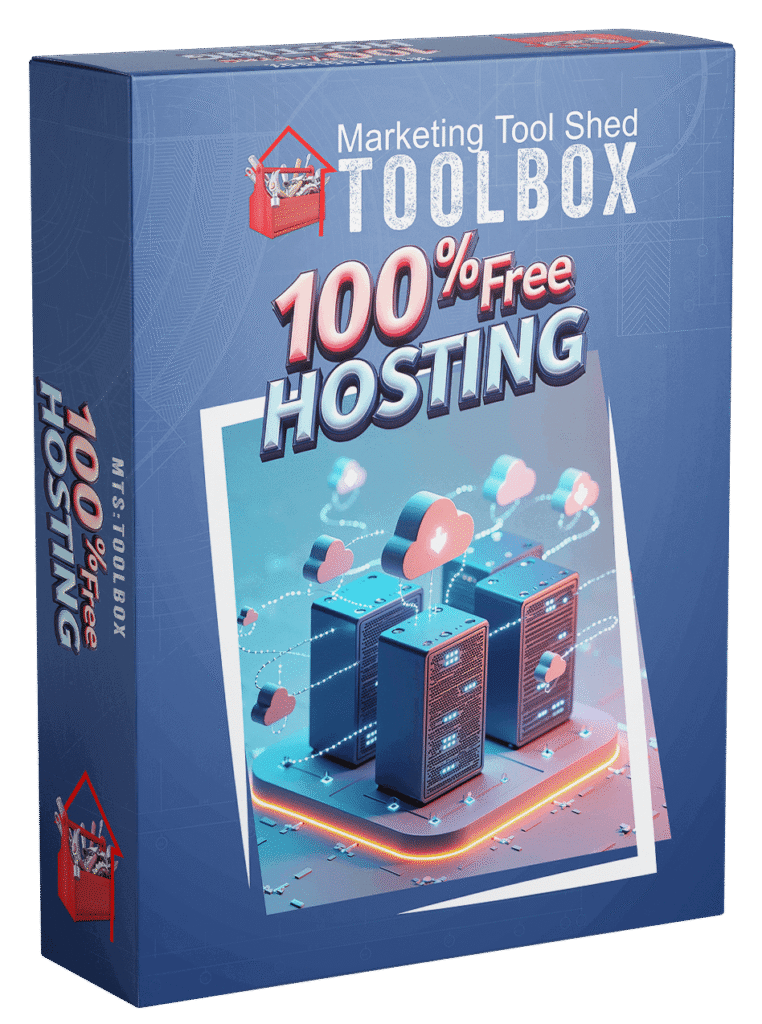
Starting a website can feel expensive at first. However, what if you could launch your site without paying anything for hosting? That’s where 100% free hosting comes in.
Many beginners, students, bloggers, and small business owners in the USA look for ways to reduce startup costs. Therefore, free hosting becomes an attractive option. It allows you to test ideas, build skills, and create an online presence without financial pressure.
In this detailed guide, you’ll learn how 100% free hosting works, its pros and cons, who should use it, and when it makes sense to upgrade. By the end, you’ll clearly understand whether free hosting is right for you.
What Is 100% Free Hosting?
100% free hosting is a web hosting service that allows you to publish a website online without paying monthly or yearly fees. In other words, the hosting provider stores your website files on their servers at no cost.
However, free does not always mean unlimited. Most providers place certain restrictions on storage, bandwidth, features, or customization. Still, for beginners, this can be more than enough.
How Free Hosting Works
Web hosting companies own powerful servers that keep websites online 24/7. Normally, you pay to rent space on those servers. With free hosting, the provider covers the cost in exchange for:
- Displaying ads on your site
- Offering limited features
- Upselling paid plans
- Restricting storage or bandwidth
As a result, they still generate revenue while allowing users to host websites for free.
Why Do People Choose 100% Free Hosting?

Many Americans want to start blogs, portfolios, or side projects. However, they hesitate because of cost. That’s why free hosting is so popular.
1. Zero Financial Risk
First of all, you don’t have to invest money upfront. Therefore, you can experiment without worrying about losing funds.
2. Perfect for Learning
If you’re learning web design, WordPress, or coding, free hosting provides a safe practice environment. Moreover, you can test themes, plugins, and layouts freely.
3. Great for Students
Students often operate on tight budgets. Consequently, free hosting becomes an affordable solution for academic projects or online resumes.
4. Testing Business Ideas
Many entrepreneurs want to validate an idea before investing. In fact, launching a simple free website helps measure interest before upgrading to paid hosting.
Benefits of 100% Free Hosting
Although it has limits, free hosting still offers real advantages.
No Monthly Fees
Obviously, the biggest benefit is cost savings. You don’t pay for server space, which reduces your startup expenses significantly.
Easy Setup
Most free hosting platforms provide simple dashboards. As a result, beginners can set up a site within minutes.
No Long-Term Contracts
Unlike some paid plans, free hosting does not require commitments. Therefore, you can leave anytime.
Good for Simple Websites
If you only need a basic blog, resume, or hobby website, free hosting may be enough. Additionally, small static sites often run smoothly under free plans.
Limitations of Free Hosting
While free hosting sounds appealing, it’s important to understand its drawbacks.
Limited Storage and Bandwidth
Most free hosting plans limit how much data you can store and how many visitors your site can handle. Consequently, growing websites may experience slowdowns.
Ads on Your Website
Some providers place ads on your site. Therefore, your website might not look fully professional.
Limited Customer Support
Free services usually offer minimal support. In other words, you may need to solve technical issues yourself.
No Custom Domain (Sometimes)
Certain free plans only allow subdomains like yoursite.provider.com. However, using a custom domain often requires upgrading.
Security Concerns
Free hosting may not offer advanced security features. As a result, your site could be more vulnerable compared to premium hosting.
Is 100% Free Hosting Safe?
Generally speaking, many reputable providers offer safe free hosting. However, you must choose carefully.
Look for providers that:
- Have positive reviews
- Offer SSL certificates
- Provide basic security tools
- Clearly explain their terms
On the other hand, avoid unknown services with unclear policies. Always read the terms before signing up.
Who Should Use 100% Free Hosting?
Free hosting is not for everyone. Nevertheless, it works well for certain groups.
Beginners and Hobby Bloggers
If you’re just starting and don’t expect heavy traffic, free hosting can meet your needs.
Students and Learners
As mentioned earlier, students benefit from cost-free platforms. Moreover, they gain practical experience.
Portfolio Websites
Freelancers who want to display work samples can use free hosting initially. Later, they can upgrade as their career grows.
Testing and Development Projects
Developers often use free hosting to test ideas before launching publicly.
Who Should Avoid Free Hosting?
While free hosting is useful, it isn’t ideal for everyone.
Serious Businesses
If you run a business in the USA, professional appearance matters. Therefore, paid hosting is usually better.
High-Traffic Websites
Websites expecting heavy traffic may crash under free plans. Consequently, performance could suffer.
E-commerce Stores
Online stores require strong security and reliability. For that reason, free hosting is not recommended for selling products.
Key Features to Look For in Free Hosting
Not all free hosting services are equal. Therefore, compare features before choosing one.
1. Storage Space
Make sure the storage fits your content needs. For example, image-heavy websites require more space.
2. Bandwidth
Bandwidth determines how much traffic your site can handle. If you expect moderate visitors, choose higher bandwidth limits.
3. SSL Certificate
SSL protects user data and improves trust. Additionally, it helps with search engine rankings.
4. Control Panel
A simple control panel makes website management easier.
5. Upgrade Options
Eventually, you may need more features. Therefore, choose a provider that offers affordable upgrades.
How to Start with 100% Free Hosting
Getting started is easier than many people think.
Step 1: Choose a Reliable Provider
Research and compare reviews. Moreover, ensure they clearly state what is included in the free plan.
Step 2: Sign Up
Create an account using your email. Some providers require verification.
Step 3: Choose a Subdomain or Connect a Domain
You can use a free subdomain. However, connecting a custom domain looks more professional.
Step 4: Install a Website Builder or CMS
Many free hosts support WordPress or provide website builders. As a result, creating pages becomes simple.
Step 5: Publish Your Site
After designing your website, click publish. Your site is now live on the internet.
SEO and Free Hosting
Many beginners wonder if free hosting affects SEO. The answer is: it depends.
Search engines like Google focus on content quality, speed, and user experience. However, free hosting sometimes impacts loading speed.
Therefore, if your site loads slowly, rankings may suffer. Additionally, subdomains may not build authority as strongly as custom domains.
If SEO is a top priority, upgrading later is a smart move.
When Should You Upgrade to Paid Hosting?

Free hosting is excellent for starting out. However, there comes a time when upgrading makes sense.
Consider upgrading if:
- Your traffic increases
- You want a custom domain
- You need better speed
- You run a business website
- You require stronger security
Upgrading ensures better performance, reliability, and branding.
Free Hosting vs Paid Hosting: Quick Comparison
| Feature | Free Hosting | Paid Hosting |
|---|---|---|
| Cost | $0 | Monthly fee |
| Storage | Limited | Larger space |
| Bandwidth | Restricted | Higher limits |
| Ads | Often included | No forced ads |
| Support | Limited | Full support |
| Security | Basic | Advanced |
Clearly, both options serve different purposes. Therefore, your choice depends on your goals.
Common Myths About 100% Free Hosting
Myth 1: Free Hosting Is Always Bad
Not true. In fact, it works well for simple projects.
Myth 2: You Can’t Rank on Google
Although it may be harder, ranking is still possible with quality content.
Myth 3: Free Means Unsafe
Some free hosts are secure. However, you must choose carefully.
Tips to Make the Most of Free Hosting
If you decide to use free hosting, follow these tips:
- Keep your website simple
- Optimize images for faster loading
- Avoid heavy plugins
- Back up your files regularly
- Monitor site performance
By following these steps, you can improve user experience even on a free plan.
Final Thoughts on 100% Free Hosting
100% free hosting can be a powerful starting point. It allows beginners in the USA to build websites without financial stress. Moreover, it provides hands-on experience in website management.
However, it’s important to understand its limitations. While it works for learning and testing, serious businesses should eventually upgrade.
Ultimately, free hosting is a stepping stone. It helps you start today instead of waiting for the perfect budget. Therefore, if you have an idea, don’t delay—launch your website and grow from there.
Affiliate Disclaimer
This article may contain affiliate links. If you choose to purchase through these links, we may earn a small commission at no extra cost to you. However, we only recommend tools and services we believe provide genuine value. Always research and choose what best fits your needs.